
PowerCampus End-of-Life: What Colleges Should Know
As more institutions evaluate the future of their student information systems, many are taking a closer look at PowerCampus and what comes next. Whether driven by evolving technology needs, integration challenges, or long-term sustainability, small and midsize institutions are exploring modern alternatives that better support today's campus operations. This guide outlines what end-of-life means, what to consider moving forward, and how to approach a successful transition.
Why PowerCampus Is Reaching End-of-Life
Many institutions rely on PowerCampus for core campus operations, but as the platform ages, support and updates are becoming limited. Continuing with a legacy system can lead to security risks, limited functionality, and higher IT maintenance costs. Cloud-first alternatives like Thesis Elements provide a modern path forward.

Implementation Timeline & Best Practices
Implementation for cloud SIS like Thesis Elements often completes in 8 to 12 months, significantly faster than older systems. And Elements is able to rollout phased go-lives based on your institution's needs and timelines.
Here are a few key tips:
- Prioritize high-impact workflows first
- Engage faculty and staff early
- Use training and support resources to reduce adoption friction
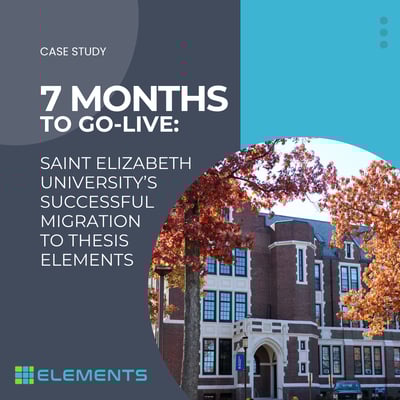
Take a look at how Saint Elizabeth University migrated off of PowerCampus to Thesis Elements in just seven months.
Data Migration Done Early and Included in Your Implementation Plan
Switching from PowerCampus isn't just about adopting new technology. It's about safely, accurately, and efficiently moving decades of institutional data into a modern system. For many institutions, data migration is the single biggest source of risk, delay, and unexpected cost during a SIS transition. SIS replacement projects, especially for small to midsize institutions, are often slowed or derailed by complex migration processes that stretch timelines into months or even years.
We Take a Different Approach
At Thesis Elements, data migration is included in your implementation cost and begins early in the process, giving institutions a massive advantage over traditional SIS transitions. Unlike many vendors that push data migration to later stages (or charge premium fees for it), we embed migration into the core of your onboarding from day one.
This early-start model reduces project complexity, accelerates timelines, and minimizes the change of late-stage surprises. For institutions leaving aged legacy systems like PowerCampus, this approach creates a far smoother and more predictable transition path.
What This Means for Your Institution
- Predictable, all-inclusive implementation cost - no unexpected data-migration invoices
- Reduced project risk, due to early mapping, validation, and testing of critical student, academic, and financial data
- Faster go-live timelines, because data issues are surfaced and solved early instead of delaying the final phases of the project
- A smoother transition off end-of-life systems, supported by specialists who understand legacy data structures and modern, cloud-native requirements
Migrating your data shouldn't be a barrier. It should be a catalyst. By including and prioritizing data migration from the very beginning, Thesis Elements helps institutions move confidently and cost-effectively into their next-generation SIS.
Risks of Staying on an On-Prem SIS
Increased Downtime
Aging systems often require more frequent maintenance, leading to disruptions and higher long-term support costs.
Integration Challenges
On-prem platforms struggle to connect with modern LMS, CRM, and reporting tools, creating data silos across campus.
Limited Scalability
As programs expand and institutional needs evolve, older systems may not adapt easily or efficiently.
Manual Workflows
Staff may rely on time-consuming, manual processes to complete tasks that modern systems can automate.
Migration Checklist
- Audit your current system and data
- Identify critical workflows and integrations
- Engage stakeholders across campus (registrar, IT, finance, financial aid, student success, etc.)
- Select a modern SIS that fits your campus size
- Plan phased implementation with testing
Thesis Elements supports a smooth transition, with structured migration plans and dedicated support.

Five Strategic Steps for Leaders Facing SIS Transition
With major shifts underway in the SIS market, higher-ed leaders are facing decisions that will shape the next decade of their institution's operations. Before choosing a direction, it's critical to step back and get grounded in the right strategy. That's why we created this 5-step framework to guide leadership teams through a SIS transition with clarity and confidence.
Your SIS Transition Doesn't Have to Take Years
Modern SIS implementations don’t need years. Discover how flexible, cloud‑native platforms enable faster, low‑disruption transitions in under 12 months.
Modern SIS Alternatives
- Thesis Elements: Cloud-first, fast implementation, with data migration included in the cost. Purpose-built specifically for small to midsize institutions.
- Jenzabar: Established legacy platform with limited functionality, though newer cloud alternatives are replacing it at many colleges.
- Ellucian (including Anthology): Broad features that may require larger IT teams, comprehensive but heavier implementation, typically more complex than small colleges need.
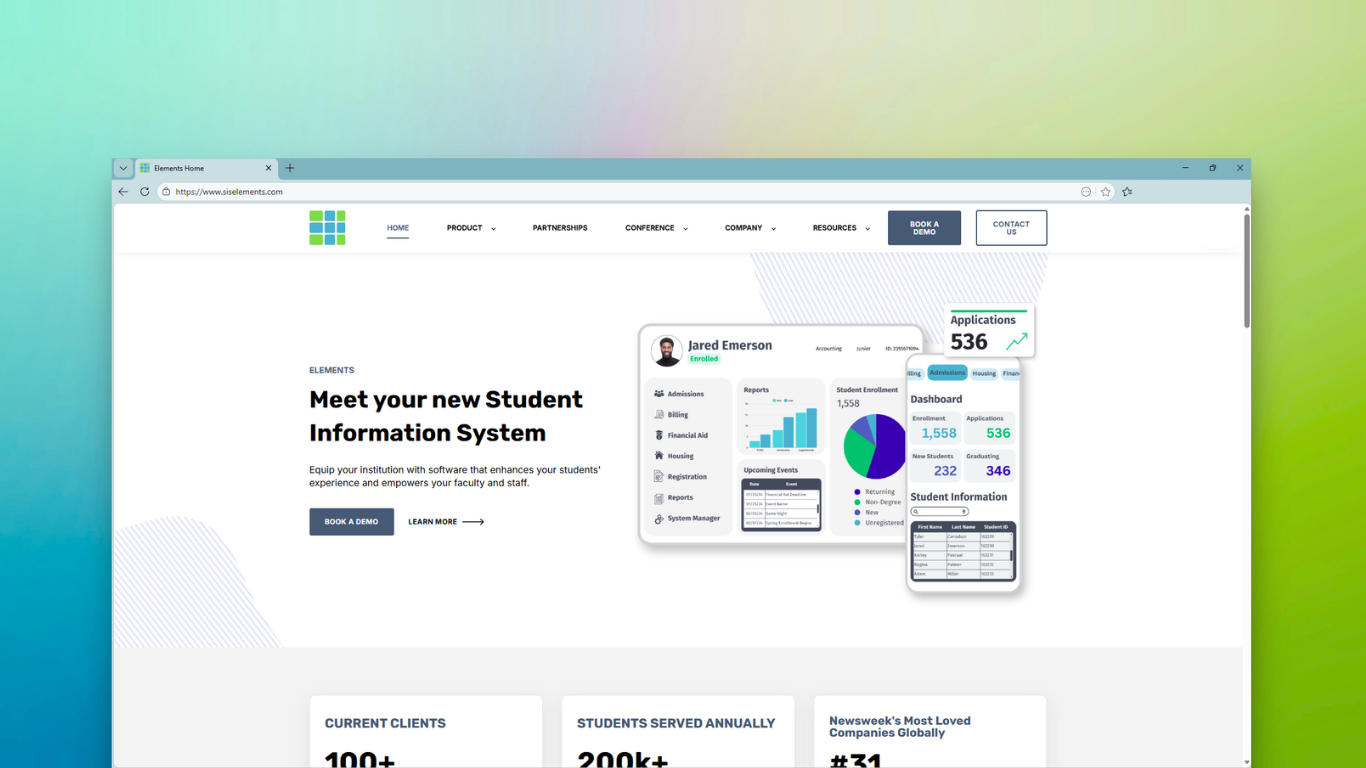
With many PowerCampus implementations reaching end-of-life, institutions are exploring modern SIS platforms. Thesis Elements offers a cloud-first alternative designed to simplify migration and streamline operations.
See how Thesis Elements Simplifies Your Migration
Get a closer look at how Thesis Elements supports institutions through every stage of SIS transition, from planning and data migration to implementation and ongoing support. Connect with our team and learn how Thesis Elements can help your institution move beyond legacy systems with a faster, more streamlined approach.